
Welcoming a dog into your home brings joy, companionship, and responsibility. As a first-time owner, you might feel overwhelmed by the endless tasks — from feeding schedules to training basics. The good news? With the right dog care tips for beginners, you can build a strong, loving bond while keeping your pup healthy and happy from day one.
This comprehensive guide covers everything new dog parents need to know in 2026. You will learn practical steps that prevent common mistakes and support long-term well-being. Whether you just adopted a playful puppy or rescued an adult dog, these actionable insights will help you start confidently.
Dog Care Tips for Beginners Preparing Your HomE
Success starts with preparation. Rushing into dog ownership without setup often leads to stress for both you and your pet. Begin by puppy-proofing your space and gathering essential supplies.
Create a safe zone with a comfortable bed, crate, and toys. Remove hazards like electrical cords, toxic plants, and small objects that could cause choking. Set clear house rules with your family in advance — decide where the dog will sleep, eat, and play.
Stock up on must-have items:
- Sturdy collar or harness with ID tag
- Leash
- Food and water bowls (stainless steel preferred)
- Age-appropriate high-quality dog food
- Grooming tools
- Poop bags and cleaning supplies
A well-prepared home helps your dog adjust faster and reduces accidents. Many beginners overlook this step, but it saves time and prevents behavioral issues later.

Choosing the Right Food and Establishing Feeding Routines
Nutrition forms the foundation of good dog care. Feeding mistakes, such as overfeeding or choosing low-quality food, contribute to obesity, digestive problems, and low energy.
Puppies need more frequent meals than adults. Follow these general guidelines from trusted sources:
- 8–12 weeks old: 4 meals per day
- 3–6 months: 3 meals per day
- 6–12 months: 2 meals per day
- Adults: 1–2 meals per day (adjust for breed size and activity level)
Always choose a commercial dog food that meets AAFCO standards and matches your dog’s age, breed, and health needs. Avoid excessive “people food” because it can cause imbalances or picky eating habits.
Provide fresh, clean water at all times. Monitor portion sizes carefully — use a measuring cup and adjust based on your dog’s weight and activity. Transition to new food gradually over 7–10 days to prevent stomach upset.
Pro tip: Establish consistent feeding times. This regulates digestion and supports successful house training.

House Training and Crate Training Basics: Dog Care Tips for Beginners
House training ranks among the top concerns for new owners. Patience and consistency deliver the best results — most dogs learn quickly when you follow a reliable routine.
Use positive reinforcement. Take your puppy outside frequently: after waking, eating, playing, and before bedtime. Praise and reward immediately when they eliminate outdoors. Crate training accelerates the process because dogs naturally avoid soiling their sleeping area.
Keep crate sessions short at first and never use the crate as punishment. Combine it with a regular schedule to build good habits fast.
Accidents happen, especially in the beginning. Clean messes thoroughly with enzymatic cleaners to remove odors. Avoid scolding — it creates fear and slows progress.
With daily consistency, most puppies achieve reliable house training within a few weeks. Adult dogs may need refreshers but respond well to the same structured approach.

Dog Care Tips for Beginners: Daily Exercise and Mental Stimulation Needs
Dogs require both physical exercise and mental enrichment to stay balanced. Lack of activity often leads to boredom, destructive chewing, and excessive barking.
Tailor exercise to your dog’s breed, age, and health. Most adult dogs thrive with at least 30–60 minutes of daily walks plus playtime. Puppies need shorter, more frequent sessions to protect growing joints.
Incorporate variety:
- Brisk walks or hikes
- Fetch or tug games
- Puzzle toys and treat-dispensing balls
- Basic obedience practice during play
Mental stimulation prevents behavioral problems. Rotate toys and introduce new commands or scent games. A tired dog is a happy, well-behaved dog.
Remember to start slowly with new puppies and consult your vet before intense activity, especially with large or brachycephalic breeds.
Grooming Essentials Every Beginner Should Master
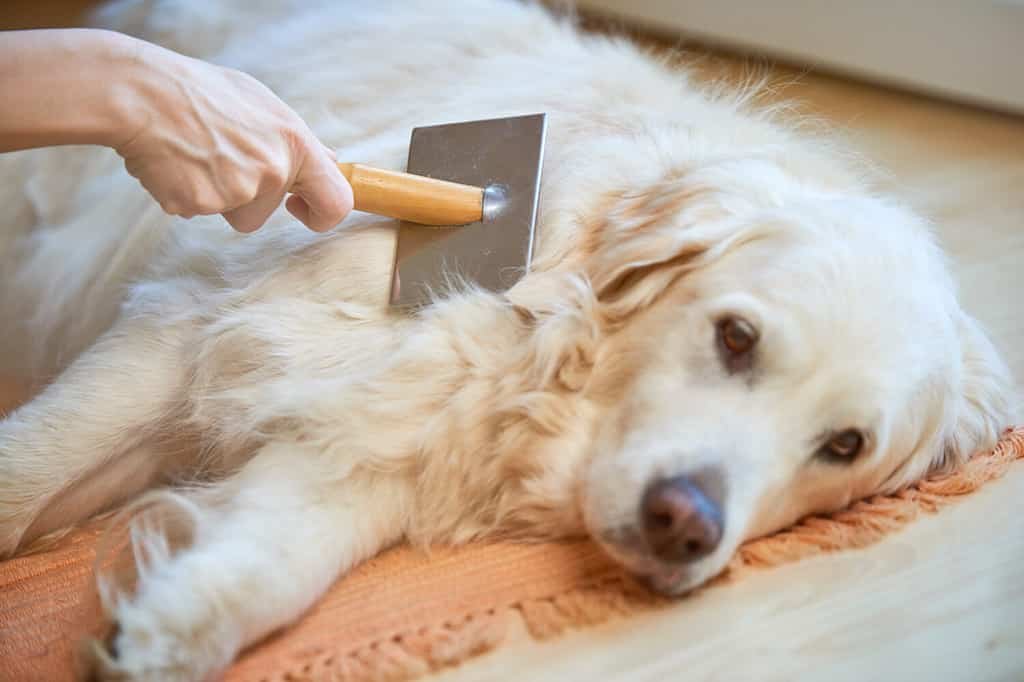
Regular grooming keeps your dog clean, comfortable, and healthy while strengthening your bond. Many first-time owners underestimate how much grooming their specific coat type needs.
Brush your dog several times per week to remove loose fur and prevent mats. Short-haired breeds need less frequent brushing than long-coated ones. Use the right tools — slicker brushes, combs, or deshedding tools work best for different textures.
Bathe only when necessary, typically every 4–8 weeks, using dog-specific shampoo. Over-bathing strips natural oils and causes dry skin. Trim nails regularly to avoid painful overgrowth, and check ears weekly for dirt or infection.
Dental care matters too. Brush teeth several times per week with dog toothpaste or offer dental chews approved by the Veterinary Oral Health Council.
Start grooming sessions early and keep them positive with treats and praise. This builds tolerance for future vet visits and professional grooming.
Health Care, Vaccinations, and Finding a Trusted Vet
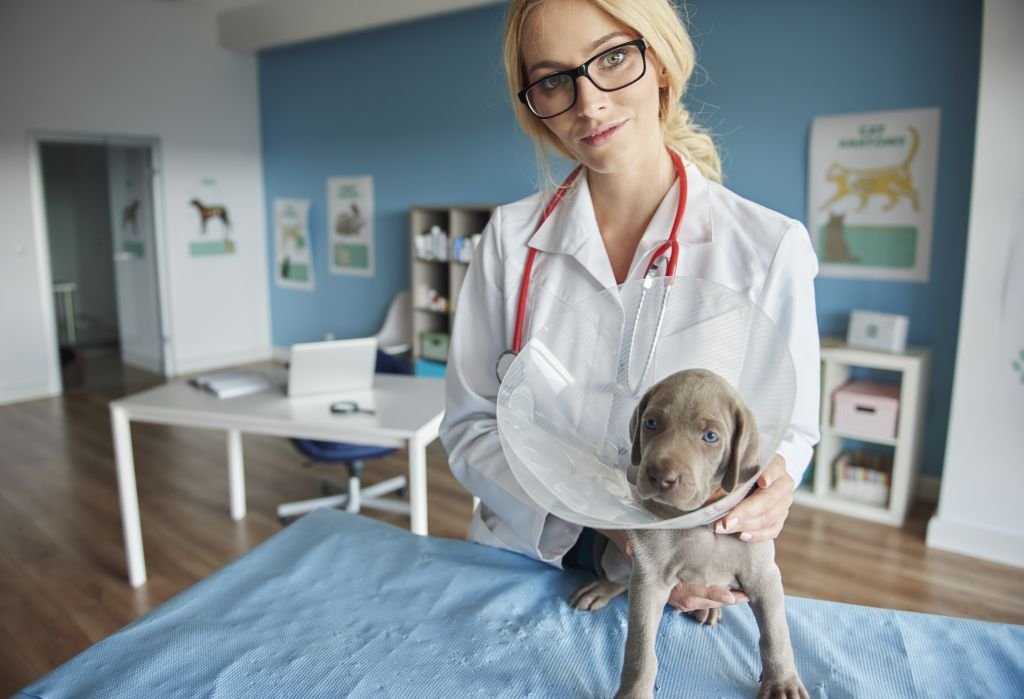
Preventive health care protects your dog and saves money long-term. Schedule your first veterinary visit within the first week of bringing your dog home.
Core vaccinations usually include:
- Distemper
- Parvovirus
- Adenovirus
- Rabies
Your vet will create a personalized schedule based on lifestyle and location. Discuss spaying/neutering, heartworm prevention, and flea/tick control.
Learn basic first-aid skills: recognize signs of distress, know how to check gums for dehydration, and keep a pet first-aid kit handy.
Monitor weight, appetite, energy levels, and bathroom habits daily. Early detection of changes prevents minor issues from becoming serious.
Choose a veterinarian you trust. Look for someone who communicates clearly and welcomes questions from new owners.
Basic Training Commands and Positive Reinforcement Techniques
Training builds communication and confidence. Start with simple commands using positive reinforcement — reward desired behavior instead of punishing mistakes.
Focus on these foundation commands first:
- Sit
- Stay
- Come
- Leave it
- Heel
Keep sessions short (5–10 minutes) and fun. Use high-value treats and enthusiastic praise. Consistency across all family members prevents confusion.
Socialization plays a critical role too. Expose your puppy safely to new people, sounds, and environments during the critical window (roughly 8–16 weeks). Well-socialized dogs handle new situations with less fear or aggression.
Avoid dominance-based methods. Modern science shows positive techniques create stronger bonds and better long-term behavior.
Common Beginner Mistakes and How to Avoid Them
New owners often make predictable errors that create unnecessary challenges. Recognizing them early helps you sidestep problems.
Top mistakes include:
- Inconsistent rules (one person allows couch access while another doesn’t)
- Overfeeding treats or table scraps
- Skipping daily exercise
- Delaying vet visits or training
- Punishing accidents instead of preventing them
Set realistic expectations. Puppies are like toddlers — they need time, patience, and repetition. Focus on prevention rather than correction.
Build a support network. Join local dog training classes or online communities for advice when challenges arise.
Creating a Sustainable Daily Routine for Long-Term Success
A predictable daily schedule reduces anxiety for both you and your dog. Design a routine that fits your lifestyle while meeting your pet’s needs.
Sample beginner-friendly schedule:
- Morning: Potty break, breakfast, short walk
- Midday: Play or training session
- Afternoon: Another potty/walk
- Evening: Dinner, grooming, calm play, final potty
- Night: Crate or bed time
Adjust for your work schedule using dog walkers or daycare when needed. Include dedicated bonding time each day — cuddles, gentle petting, or quiet training.
Review and tweak your routine every few weeks as your dog grows and needs change.
FAQ: Dog Care Tips for Beginners
How much does it cost to care for a dog monthly? Expect $50–150 for food, supplies, and basic care. Add vet visits, grooming, and unexpected expenses. Budget realistically before adopting.
What is the best age to bring home a puppy? Most experts recommend 8–12 weeks. This allows proper socialization with littermates and mother while enabling early training.
How often should I take my dog to the vet? Puppies need multiple visits in the first year. Healthy adults typically visit once per year for wellness exams and vaccinations.
Can I leave my dog home alone all day? Most adult dogs handle 4–6 hours alone if properly exercised and enriched. Puppies and high-energy breeds may need breaks or doggy daycare.
What signs indicate my dog needs immediate veterinary attention? Watch for vomiting, diarrhea, lethargy, refusal to eat, difficulty breathing, or sudden behavior changes. When in doubt, contact your vet right away.
Final Thoughts on Becoming a Confident Dog Parent
Dog ownership rewards you with unconditional love and companionship when you invest time in proper care. These dog care tips for beginners provide a solid foundation, but every dog is unique. Stay observant, remain flexible, and continue learning as you grow together.
You have taken the first important step by seeking reliable information. With patience, consistency, and love, you will raise a happy, healthy dog that enriches your life for years to come.
- General Dog Care | ASPCA
- Tips on Basic Care for Your Dog – AKC
- How To Take Care of Dogs: A Pet Parent Checklist – PetMD
Share your thoughts below and leave a comment with your experience.



One thought on “Dog Care Tips for Beginners: Complete 2026 Guide”
Comments are closed.