
Bringing a cat into your life opens the door to years of purring companionship, playful antics, and quiet cuddles. As a first-time owner, you might feel unsure about feeding schedules, litter habits, grooming needs, and health basics. These Cat Care Guide for New Owners Essential 2026 strategies give you clear, practical steps to help your new feline thrive from the very first day.
This complete cat care guide for new owners covers everything beginners need in 2026. Follow these proven tips to avoid common mistakes, build trust quickly, and create a happy, healthy home for your cat.
Cat Care Guide for New Owners: Preparing Your Home Before Your Cat Arrives
Preparation makes the transition smooth and stress-free for both you and your new cat. Cats feel safest in controlled spaces, so start by setting up a dedicated “safe room” — a small, quiet area with all essentials.
Cat-proof the entire house: secure loose cords, hide toxic plants (like lilies), and block access to small objects or chemicals. Place the litter box in a quiet, accessible spot away from food and high-traffic areas. Provide multiple hiding spots, a comfortable bed, and vertical space like a cat tree or shelves.
Essential supplies to gather in advance include:
- Spacious litter box (at least 1.5 times the cat’s body length)
- Unscented clumping litter
- Wide, shallow food and water bowls (whisker-friendly)
- High-quality cat food suited to age and health
- Scratching posts or pads in multiple locations
- Toys, carrier, and basic grooming tools
A well-prepared environment reduces anxiety and helps your cat adjust faster. Many new owners overlook this step and face litter issues or hiding behavior later.
Nutrition Fundamentals and Feeding Routines
Balanced nutrition supports energy, coat health, and longevity. Beginners often choose low-quality food or free-feed, which can lead to obesity or digestive problems.
Kittens need more frequent meals than adults:
- Under 6 months: 3–4 meals daily
- 6–12 months: 2–3 meals daily
- Adults: 1–2 meals daily, portion-controlled
Choose AAFCO-approved commercial cat food with real meat as the first ingredient. Wet food provides extra hydration, while dry food supports dental health — many owners combine both. Always provide fresh water in a clean bowl or fountain, as cats prefer moving water.
Cat Care Guide for New Owners Essential 2026 Tips
Transition to new food gradually over 7–10 days. Monitor weight and adjust portions based on your veterinarian’s advice. Treats should stay under 10% of daily calories to prevent weight gain.
Consistent mealtimes help regulate digestion and prevent begging. Place bowls in a quiet area away from the litter box.

Litter Box Setup and House Training Success
Proper litter habits prevent most common problems for new cat owners. Cats are naturally clean, but stress or medical issues can cause avoidance.
Choose a large, uncovered litter box placed in a low-traffic, private location. Use unscented clumping litter about 1.5–2 inches deep. Scoop solids daily and fully change the litter weekly, washing the box with mild soap — avoid strong scents or ammonia.
Provide one litter box per cat plus one extra, especially in multi-level homes. Never punish accidents; instead, clean thoroughly with enzymatic cleaners to remove odors.
Most cats use the box instinctively if it stays clean and accessible. If your cat stops using it, consult a vet immediately, as it may signal a urinary tract issue or stress.

Scratching Behavior and Environmental Enrichment
Scratching is normal instinctual behavior for stretching, marking territory, and nail maintenance. Provide sturdy scratching posts or pads in high-traffic areas and near favorite resting spots.
Offer vertical space with cat trees, window perches, and shelves. Rotate toys weekly to keep interest high — wand toys, puzzle feeders, and interactive play satisfy hunting instincts.
Daily play sessions of 10–15 minutes twice a day prevent boredom and destructive behavior. Puzzle feeders turn mealtime into mental stimulation, reducing overeating.
Enriched environments keep indoor cats happy and physically fit.

Cat Care Guide for New Owners: Grooming Routines Every Beginner Must Know
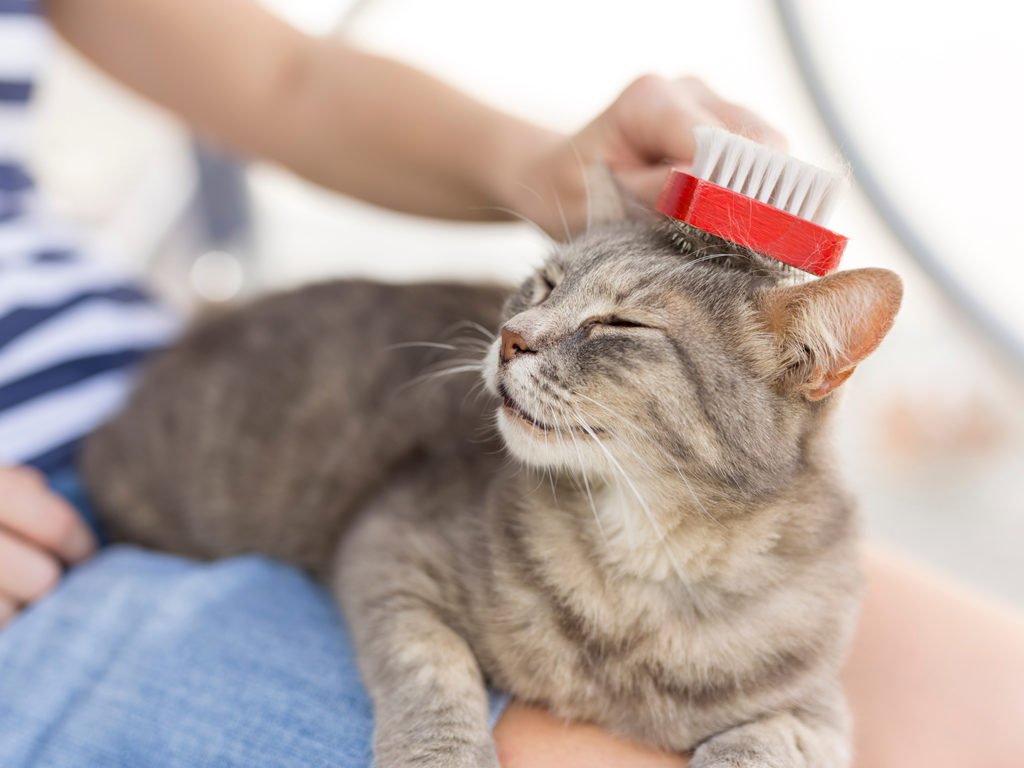
Regular grooming strengthens your bond and prevents health issues. Most cats groom themselves well, but brushing removes loose fur and reduces hairballs.
Brush short-haired cats 1–2 times weekly and long-haired cats daily using a slicker brush or comb. Start gently with short sessions and reward with treats.
Trim nails every 2–4 weeks using cat-specific clippers — cut only the sharp tip to avoid the quick. Check ears weekly for wax or debris and clean gently if needed. Brush teeth several times weekly with cat toothpaste or use dental treats.
Bathe only when necessary using cat-safe shampoo. Regular grooming sessions make future vet visits less stressful.
Health Care, Vaccinations, and Choosing a Vet
Preventive care catches problems early and saves money long-term. Schedule a veterinary visit within the first week of adoption.
Core vaccinations typically include:
- FVRCP (feline viral rhinotracheitis, calicivirus, panleukopenia)
- Rabies (required by law in many areas)
Cat Care Guide for New Owners: Your vet will tailor a schedule based on lifestyle and risk. Discuss spaying/neutering, flea/tick prevention, heartworm protection, and microchipping.
Learn basic signs of illness: changes in appetite, litter habits, energy, vomiting, or hiding. Keep a pet first-aid kit and know emergency contacts.
Annual wellness exams keep your cat healthy. Build a trusting relationship with a vet who welcomes questions from new owners.

Socialization, Play, and Building Trust
Cats are independent yet social. Give your new cat time to explore at their own pace — forcing interaction creates fear.
Use positive reinforcement: offer treats and gentle petting when they approach. Respect body language — tail flicks or flattened ears mean “back off.”
Play daily with wand toys to mimic hunting. Provide safe hiding spots and high perches so your cat feels secure.
Gradual exposure to new sounds, people, and routines builds confidence. Well-socialized cats adapt better to changes like moves or visitors.
Common Beginner Mistakes and How to Prevent Them
New owners frequently make these errors:
- Placing the litter box in a noisy or busy area
- Using covered litter boxes or scented litter
- Free-feeding without measuring portions
- Skipping daily play and enrichment
- Punishing scratching or accidents instead of redirecting
Set realistic expectations. Cats need time to adjust — some hide for days or weeks. Stay consistent with routines and focus on prevention rather than correction.
Join online communities or local classes for support when challenges appear.
Creating a Daily Routine for Long-Term Happiness
A predictable schedule reduces stress and supports good behavior. Sample routine for new owners:
- Morning: Fresh water, breakfast, litter scoop, short play
- Midday: Puzzle toy or window watching
- Afternoon: Litter check, gentle interaction
- Evening: Dinner, grooming, interactive play, final litter scoop
- Night: Quiet time with access to safe spaces
Adjust for your work schedule using automatic feeders or pet sitters when needed. Include dedicated bonding time daily through play or quiet petting.
Review the routine every few weeks as your cat’s needs evolve with age.
FAQ: Cat Care Guide for New Owners
How much does monthly cat care cost? Budget $50–150 for food, litter, and basics. Add vet visits, grooming, and emergencies. Plan ahead for unexpected expenses.
What is the ideal age to adopt a kitten? Most experts suggest 8–12 weeks so kittens learn social skills from mom and littermates while starting early training.
How often should my cat visit the vet? Kittens need several visits in year one. Healthy adults usually need annual check-ups and vaccinations.
Can I leave my cat alone all day? Adult cats handle 8–10 hours if enriched and exercised. Provide toys, scratching posts, and multiple litter boxes. Consider a companion cat for long absences.
What signs mean my cat needs urgent vet care? Watch for no eating/drinking over 24 hours, lethargy, vomiting, diarrhea, difficulty breathing, or sudden behavior changes. Contact your vet immediately when concerned.
Cat care guide for new owners continues to emphasize patience and observation. Every cat has unique personality traits — stay flexible and keep learning together.
These cat care fundamentals give you a strong foundation. With consistent routines, proper nutrition, regular grooming, and veterinary support, your new cat will enjoy a long, enriched life filled with love and adventure.
- General Cat Care from ASPCA experts
- Cat Grooming Tips and best practices
- Nutrition guidance and feeding recommendations from trusted veterinary sources
- Litter box problem solutions and prevention advice
- Complete health checklists for first-time owners
Share your thoughts below and leave a comment with your experience.