
Puerto Rico blends vibrant history, stunning natural wonders, and welcoming Caribbean culture into one unforgettable destination. From the colorful streets of Old San Juan to glowing bioluminescent bays and pristine beaches, the island delivers diverse experiences that surprise even seasoned travelers. Whether you seek adventure, relaxation, or cultural immersion, these best places to visit in Puerto Rico offer something for every type of explorer.
Why Puerto Rico Stands Out as a Must-Visit Destination
Puerto Rico packs remarkable variety into a compact island. As a U.S. territory, it offers easy travel without passports for American citizens, yet it delivers a distinct Caribbean feel with rich Taíno, Spanish, and African influences. You can hike through the only tropical rainforest in the U.S. National Forest System one day and kayak in waters that sparkle with natural light the next.
The island measures roughly 100 miles long and 35 miles wide, so you can drive between major attractions in a few hours. This accessibility makes it ideal for road trips or multi-stop vacations. Locals, known as Boricuas, add warmth through their hospitality, vibrant festivals, and delicious cuisine like mofongo and pernil.
Old San Juan: Step Back in Time
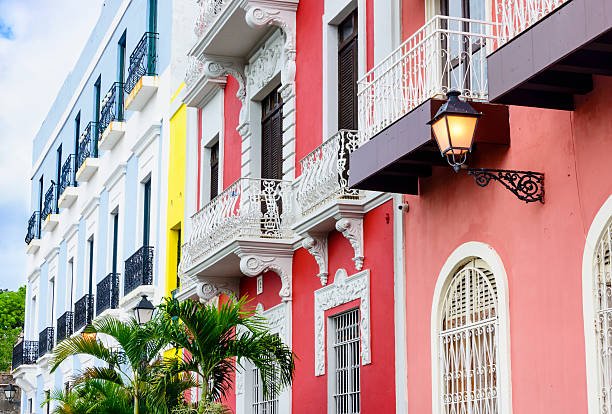
Old San Juan serves as the historic heart of Puerto Rico and ranks among the top places to visit. Its cobblestone streets, pastel-colored buildings, and massive fortifications transport visitors to the 16th century.
Start at Castillo San Felipe del Morro (El Morro), a UNESCO World Heritage Site that defended the island for centuries. Walk its ramparts for panoramic ocean views, especially at sunset. Nearby, Castillo San Cristóbal offers another impressive fortress with underground tunnels to explore.
Wander the streets lined with shops, cafes, and plazas. Don’t miss the vibrant Calle del Cristo or the serene Cemetery Santa María Magdalena de Pazzis, perched dramatically by the sea. Rooftop bars provide perfect spots to enjoy a piña colada—the drink reportedly invented here—while watching the city lights.
For a deeper experience, join a food tour or simply people-watch in Plaza de Armas. The area feels lively yet manageable, perfect for a full day or two.
El Yunque National Forest: The Only Tropical Rainforest in the U.S.
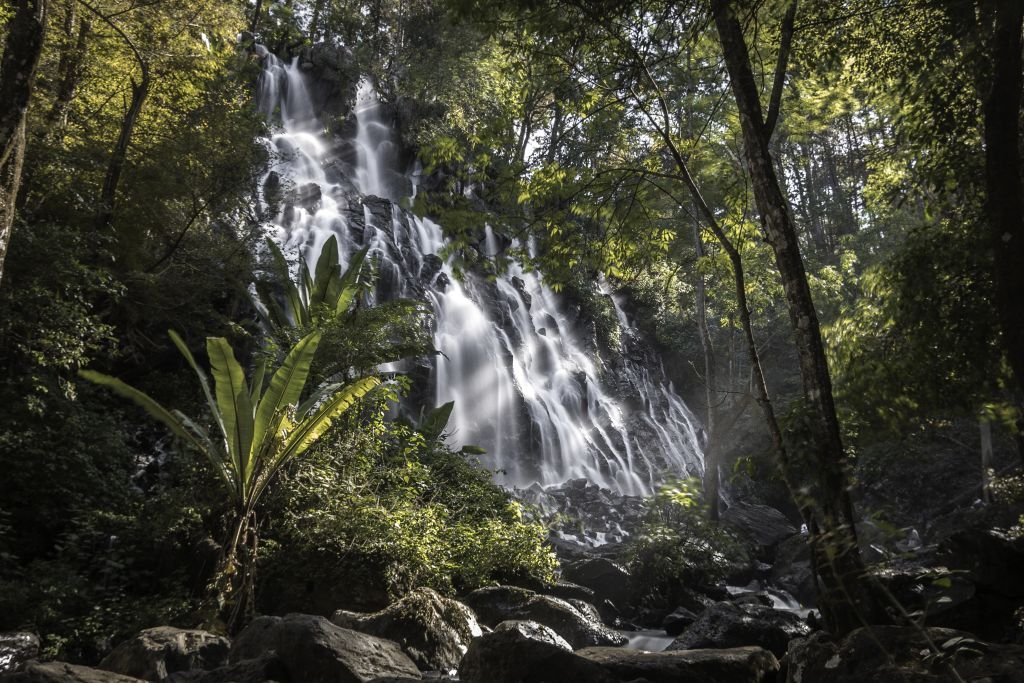
No list of the best places to visit in Puerto Rico is complete without El Yunque. This lush rainforest covers the northeast and stands as the sole tropical rainforest in the U.S. National Forest System. Its name derives from Taíno roots, reflecting its sacred status in local culture.
Hike trails like La Mina to reach breathtaking waterfalls where you can swim in natural pools. The forest hosts unique species, including the tiny coquí frog whose call echoes at night. Birdwatchers spot endemic parrots and other wildlife amid towering trees and orchids.
Visitors appreciate the cooler mountain air after beach days. Check for reservations during peak times, as the park manages crowds to protect the ecosystem. Guided tours or self-guided hikes both work well, but wear sturdy shoes and bring rain gear—showers are frequent and part of the magic.
Vieques and Culebra: Island Escapes with World-Class Beaches
For pristine shores away from the mainland crowds, head to the smaller islands of Vieques and Culebra. These spots consistently rank among the best places to visit in Puerto Rico for beach lovers.
Flamenco Beach on Culebra often appears on “world’s most beautiful beaches” lists. Its white sand, turquoise waters, and rusting tanks (left from military use and now colorful photo ops) create a unique scene. Snorkel or relax under palm trees—facilities are limited, adding to the untouched feel.
Vieques offers even more seclusion. Rent a golf cart or UTV to explore hidden coves and wild horses roaming freely. The highlight is Mosquito Bay, the brightest bioluminescent bay in the world. On moonless nights, paddle a kayak or take a tour as your movement stirs microscopic organisms that glow electric blue.
Ferries from Ceiba make these islands accessible for day trips or overnight stays. Both provide a slower pace ideal for unplugging.
Bioluminescent Bays: Nature’s Neon Light Show
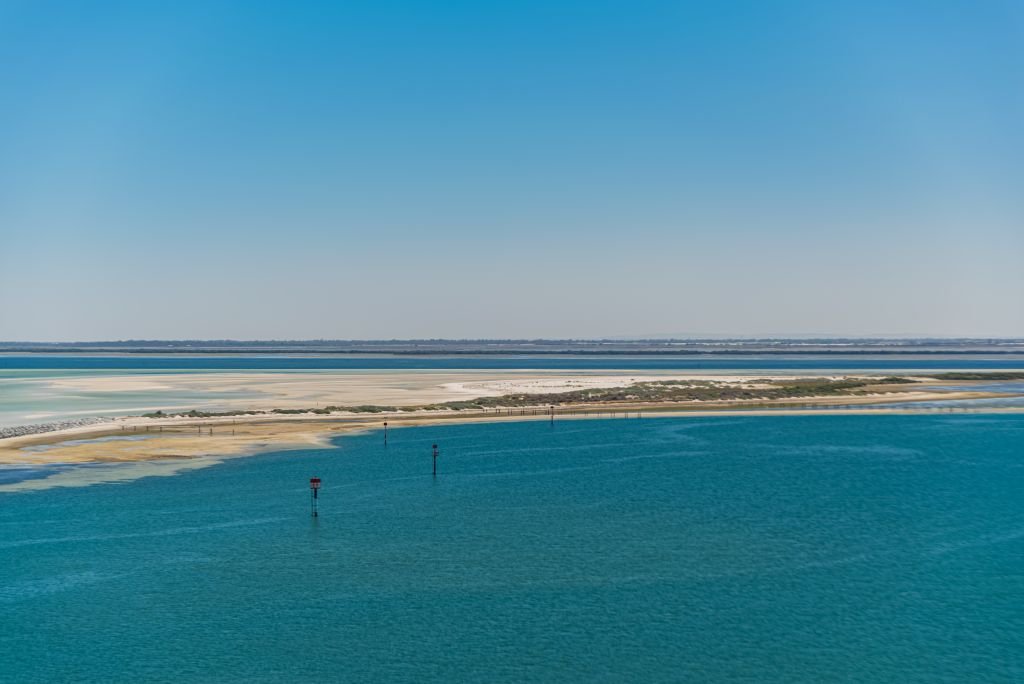
Puerto Rico boasts three of the world’s five bioluminescent bays, making them essential on any itinerary. The phenomenon occurs when dinoflagellates in the water light up with movement, creating a magical glow.
Mosquito Bay in Vieques leads in intensity, but Laguna Grande near Fajardo suits mainland visitors. La Parguera in the southwest allows swimming in the glowing waters. For the best experience, visit during the dry season (December to April) on or near a new moon for darker skies.
Tours typically depart after sunset. Guides share insights into the fragile ecosystem, emphasizing low-impact practices. This natural wonder delivers one of the most memorable nights in Puerto Rico.

West Coast Highlights: Rincón, Aguadilla, and Cabo Rojo
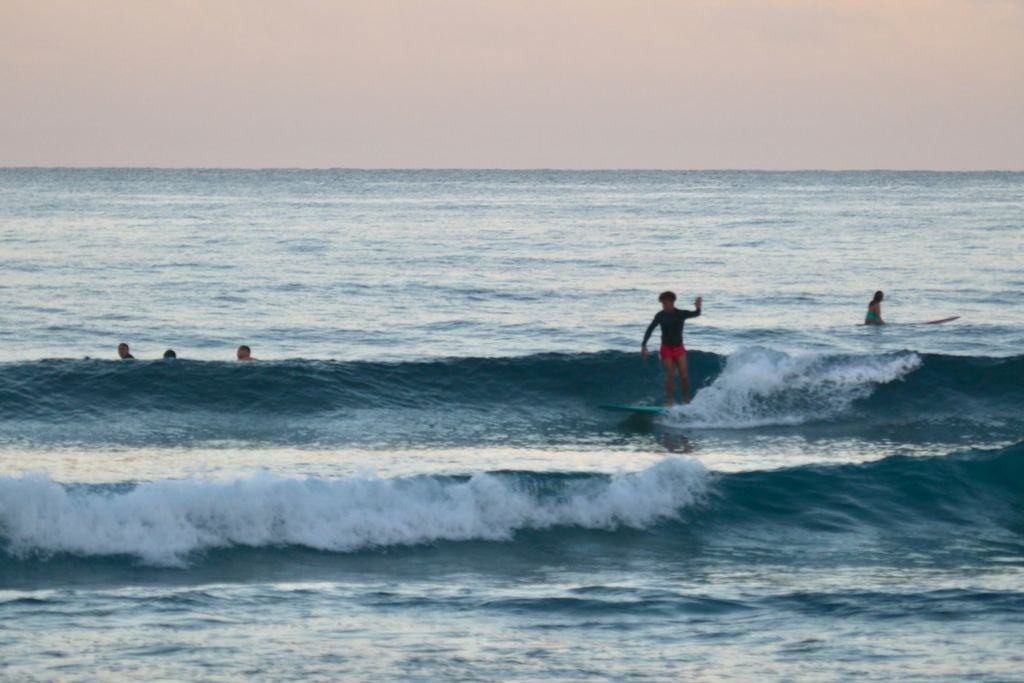
The western side of the island shines for surfing, dramatic cliffs, and laid-back vibes. Rincón earns fame as the surfing capital, especially around Domes Beach or Tres Palmas. Even non-surfers enjoy watching waves or joining lessons.
Nearby Aguadilla features Crash Boat Beach, where colorful fishing boats add charm. The area offers snorkeling and seaside dining.
Further south, Cabo Rojo delights with beaches like Playa Sucia (or Playa Sucia) and Buyé. Hike to the Cabo Rojo Lighthouse for sweeping views or explore salt flats and mangrove ecosystems. The region feels more local and less developed, perfect for authentic experiences.
Ponce and the South: Culture and Architecture
Ponce, Puerto Rico’s second-largest city, provides a cultural counterpoint to San Juan. Its historic downtown showcases elegant architecture, including the iconic Parque de Bombas firehouse painted in vibrant red and black stripes.
Visit the Ponce Museum of Art or stroll the plaza. The nearby Tibes Indigenous Ceremonial Center offers insights into pre-Columbian Taíno history. For beach time, head to nearby spots or combine with a trip to Guayama or La Parguera for the bioluminescent bay.
Ponce hosts lively festivals, including its famous Carnaval, adding energy to visits.
Hidden Gems and Off-the-Beaten-Path Adventures
Beyond famous spots, discover quieter treasures that reveal Puerto Rico’s diverse landscapes.
- Piñones near San Juan offers golden sands, mangrove boardwalks, and authentic kiosks serving fried snacks and fresh seafood.
- Cueva del Indio or Cueva Ventana in Arecibo showcase dramatic rock formations and ocean views with Taíno petroglyphs.
- Inland areas like the Cordillera Central provide mountain hikes, coffee plantations, and cooler climates for those seeking variety from beaches.
These locations reward travelers who venture slightly off main routes, delivering uncrowded beauty and local interactions.
Practical Tips for Visiting the Best Places in Puerto Rico
Plan around the dry season (December–April) for fewer rains, though the island enjoys pleasant weather year-round. Hurricane season runs June to November, so check forecasts.
Rent a car for flexibility, as public transport is limited outside San Juan. English is widely spoken in tourist areas, but basic Spanish enhances experiences in rural spots.
Respect local customs and environments: follow “Leave No Trace” principles, especially in sensitive areas like bioluminescent bays or El Yunque. Try local foods and support small businesses to enrich your trip.
Safety mirrors many tourist destinations—stay aware in crowds and secure valuables.
For more on wellness and balanced travel routines while exploring, consider resources that help maintain energy on the road.
Puerto Rico continues evolving with new experiences, from cultural festivals to conservation efforts, ensuring fresh reasons to return.
FAQ: Best Places to Visit in Puerto Rico
What is the number one place to visit in Puerto Rico? Old San Juan often tops lists for its history, architecture, and vibe, though many say El Yunque or the beaches of Vieques/Culebra compete depending on interests.
How many days do you need to see the best places in Puerto Rico? A week allows a good mix of San Juan, El Yunque, and one or two beaches or islands. Ten days to two weeks enable deeper exploration, including the west coast and bioluminescent bays.
Is Puerto Rico expensive to visit? Costs vary. Budget options exist through public beaches, street food, and ferries. Mid-range travelers enjoy good value compared to other Caribbean spots, especially with U.S. currency and no passport needed for Americans.
What is the best beach in Puerto Rico? Flamenco Beach on Culebra frequently wins acclaim, followed by spots in Vieques and Cabo Rojo. Preferences depend on whether you want facilities, seclusion, or surfing waves.
Can you visit multiple bioluminescent bays? Yes. Combine Laguna Grande (easiest from San Juan) with a trip to Vieques or La Parguera for variety.
Is it safe to travel around Puerto Rico? Most tourist areas are safe. Use common sense, avoid isolated spots at night if unsure, and follow local advice. The island welcomes millions of visitors annually.
What should I pack for Puerto Rico? Light clothing, swimwear, reef-safe sunscreen, comfortable walking shoes for hikes and cobblestones, insect repellent, and a light rain jacket.
Best Places to Visit in Puerto Rico:
- Explore more on maintaining energy during adventures: Daily Wellness Routine for a Healthier Life in 2026
- Discover additional travel inspiration in our Health & Wellness category.
- Official tourism resources at Discover Puerto Rico
- Detailed information on El Yunque from the U.S. Forest Service.
- UNESCO details on San Juan’s historic sites.
Share your thoughts below and leave a comment with your experience.