









Simple Ways to Live a Sustainable Life: Living sustainably no longer feels like a distant ideal in 2026. Everyday choices add up quickly, helping you shrink your carbon footprint, save money, and enjoy a healthier lifestyle. You face constant pressure from plastic waste, high energy bills, and overwhelming consumption, yet small, practical shifts deliver real impact without major disruption.
These simple ways to live a sustainable life focus on actionable steps that fit busy schedules. Start with one or two habits, build momentum, and watch how they compound into meaningful change for you and the planet.
Why Simple Sustainable Habits Make a Big Difference
Climate challenges and resource strain affect everyone, but individual actions matter. Reducing single-use plastics, conserving energy, and choosing mindful food options cut greenhouse gas emissions while lowering household costs. For example, Simple Ways to Live a Sustainable Life by switching to cold-water laundry or carrying a reusable bottle prevents waste that would otherwise linger in landfills or oceans for centuries.
The beauty lies in accessibility. You do not need expensive gadgets or radical lifestyle overhauls. Consistent small choices, such as meal planning or supporting local producers, reduce food miles and packaging. Over time, these habits improve personal well-being too—through better nutrition, more movement, and reduced clutter.
Start with Zero-Waste Basics at Home
Reducing waste forms the foundation of sustainable living. Begin by identifying high-waste areas in your daily routine.
Swap single-use items for reusables. Carry a durable water bottle, cloth shopping bags, and stainless steel containers for leftovers. These changes eliminate dozens of plastic bottles and bags each month. In the kitchen, replace paper towels with washable cloths and opt for bar soap over bottled versions to cut plastic further.
Compost food scraps instead of sending them to landfills, where they produce methane. Even apartment dwellers succeed with countertop compost bins or community programs. Composting returns nutrients to soil and slashes household waste volume significantly.
Pro tip: Audit your trash for one week. Note recurring items, then target them with reusable alternatives. Many people discover they halve their waste output within months.
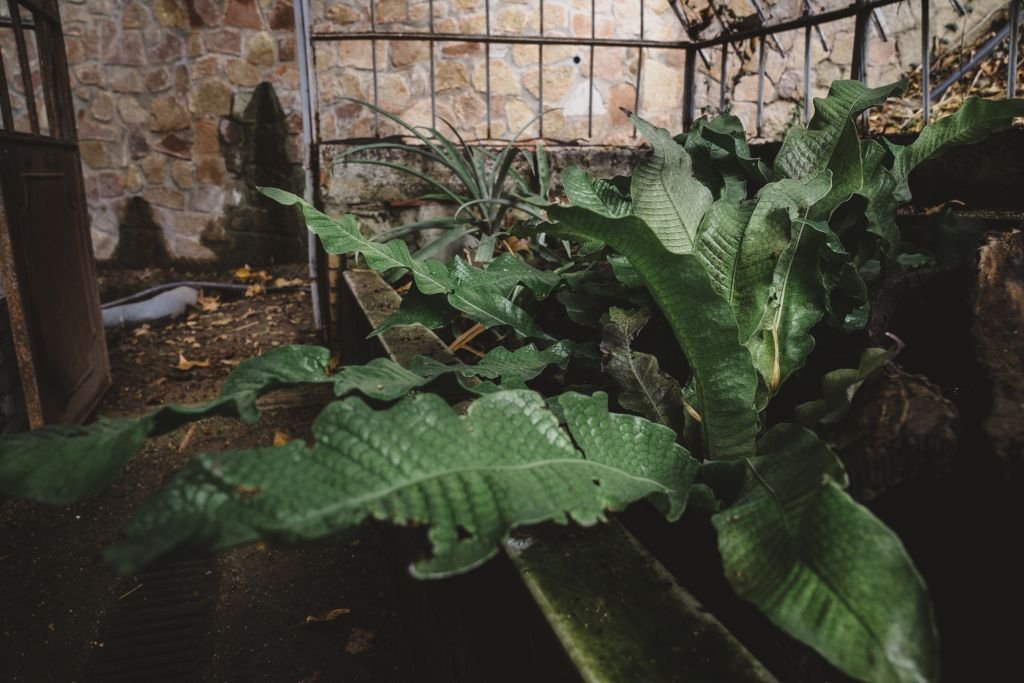
Simple Ways to Live a Sustainable Life: Energy-Saving Habits That Lower Bills and Emissions
Home energy use offers quick wins. Unplug devices when not in use to eliminate phantom power draw, which quietly inflates bills. Switch to LED bulbs and install a smart thermostat that adjusts automatically when you leave the house.
Wash clothes in cold water and air-dry when possible. This practice saves energy, preserves fabric, and reduces microfiber pollution in waterways. Shorten showers by a minute or two and fix leaky faucets to conserve water—simple actions that add up to thousands of gallons saved annually.
Consider renewable energy options, such as switching to a green electricity provider or adding solar panels if feasible. Even without major investments, adjusting your thermostat by a few degrees during the day yields noticeable savings and environmental benefits.
For deeper energy insights while building healthier routines, explore balanced daily practices that support long-term wellness.

Mindful Eating and Sustainable Food Choices Best Simple Ways to Live a Sustainable Life
Food choices influence sustainability more than many realize. Shift toward plant-based meals several times a week. Beans, lentils, vegetables, and grains require far fewer resources than meat production.
Buy local and seasonal produce from farmers’ markets or subscribe to a produce box. This approach cuts transportation emissions and supports community growers. Plan meals ahead to avoid impulse buys and reduce food waste—store leftovers creatively and repurpose scraps into stocks or smoothies.
Grow herbs or easy vegetables like lettuce and tomatoes on a windowsill or balcony. Home gardening provides fresh ingredients, reduces packaging, and reconnects you with food sources. Composting kitchen scraps further closes the loop.
Portion control and using what you already have in the fridge prevent unnecessary waste. These habits not only lighten your environmental load but also promote better health and tighter budgets.
Sustainable Transportation and Daily Movement
Transportation accounts for a large share of personal emissions. Walk, cycle, or use public transit for short trips whenever possible. These options reduce fuel consumption while boosting physical activity.
If driving remains necessary, maintain proper tire pressure, avoid idling, and combine errands efficiently. Carpooling or choosing electric vehicles when upgrading cuts impact further. For longer distances, consider trains over short flights when practical.
Incorporate biking into your routine gradually. Many cities expand bike lanes and sharing programs, making this shift easier than ever. The result? Cleaner air, lower costs, and improved fitness.

Eco-Friendly Fashion and Conscious Consumption
Fast fashion contributes heavily to waste and pollution. Extend the life of your wardrobe by repairing clothes, learning basic sewing, or shopping second-hand. Choose quality over quantity—timeless pieces made from durable, ethical materials last longer.
Before purchasing anything new, ask whether you truly need it and if a used or borrowed option exists. This mindful approach curbs impulse buying and reduces resource extraction.
Support brands that prioritize transparency in supply chains and use recycled or organic materials. In daily life, wash clothes less frequently and in full loads to minimize water and energy use while preserving garments.

Water Conservation and Home Efficiency
Water scarcity affects many regions, so conservation pays off. Install low-flow showerheads and aerators on faucets. Collect rainwater for garden use where allowed.
In the bathroom and kitchen, turn off the tap while brushing teeth or scrubbing dishes. Run dishwashers and washing machines only when full. These adjustments conserve resources without sacrificing convenience.
Opt for eco-friendly cleaning products or make your own with simple ingredients like vinegar and baking soda. This choice avoids harsh chemicals that harm waterways and reduces plastic packaging.
Building Long-Term Sustainable Habits
Sustainability thrives on consistency rather than perfection. Track progress with a simple journal or app that logs small wins, such as meatless days or energy saved. Celebrate milestones to stay motivated.
Involve family or roommates by making changes fun—host zero-waste challenges or cook plant-based meals together. Community involvement, like joining local cleanups or gardening groups, amplifies impact and builds support networks.
Stay informed through credible sources while adapting habits to your lifestyle. What works in one season or location may evolve, so remain flexible.
For maintaining energy and focus amid these positive changes, structured wellness routines help sustain motivation over time.

Overcoming Common Challenges
Many people worry that sustainable living costs too much or demands too much time. In reality, most swaps save money long-term through reduced bills and less frequent purchases.
Start small to avoid burnout. Pick one category—such as kitchen waste or energy use—and master it before expanding. If access to certain options feels limited, focus on what you control: consumption habits, waste reduction, and advocacy for better local policies.
Remember that collective small actions drive systemic change. Your efforts inspire others and contribute to broader shifts toward renewable energy and circular economies.
FAQ: Simple Ways to Live a Sustainable Life
What is the easiest way to start living sustainably? Begin with reusable items like a water bottle and shopping bags. These changes require minimal effort yet prevent significant waste immediately.
How much difference can one person make? Individual actions compound. Reducing food waste, conserving energy, and choosing plant-based options can cut personal emissions by hundreds of kilograms annually while saving money.
Does sustainable living cost more? Not necessarily. Many habits lower expenses on utilities, groceries, and new purchases. Second-hand shopping and repairing items often prove cheaper than buying new.
How do I reduce food waste effectively? Plan meals, shop with a list, store food properly, and repurpose leftovers. Composting unavoidable scraps keeps them out of landfills.
Is it realistic to go zero-waste? Aim for low-waste rather than perfect zero. Focus on progress by refusing single-use items and choosing products with minimal or recyclable packaging.
What sustainable changes help the most with climate impact? Eating less meat, reducing car use, and improving home energy efficiency rank among the highest-impact actions for most people.
How can I make sustainable habits stick long-term? Start small, track progress, and tie changes to existing routines. Pair them with wellness practices that enhance overall quality of life.
Sustainable Life:
- Pair your sustainable journey with better daily balance: Daily Wellness Routine for a Healthier Life in 2026
- Find more inspiration in everyday wellness: Health & Wellness Category
- U.S. EPA guide to sustainability practices and household actions.
- Natural History Museum resources on eco-friendly habits and skills.
- Conservation International tips for reducing personal environmental impact.
- United Nations Sustainable Development Goals for broader context on individual contributions.
Share your thoughts below and leave a comment with your experience.